
Picture this: your thermostat hits 70°, the house feels like a freezer, and the repair bill arrives looking like a small mortgage payment. That’s the nightmare most Tacoma homeowners face when they ignore the simple fixes that keep a furnace humming.
Most people think a quick DIY tweak will save them cash, but a half‑hearted fix can turn a minor hiccup into a full‑blown breakdown. The real cost isn’t just the parts—it’s the time your family spends shivering and the hours you waste hunting for a reliable tech.
In a city where rain and chill come together like a bad cocktail, your heating system deserves more than guesswork. The right moves can keep your home cozy and your wallet intact, even when the Pacific Northwest throws its worst at you.
Ready to stop throwing money down the drain? Keep reading and discover the exact mistakes that are draining your budget and how to avoid them.
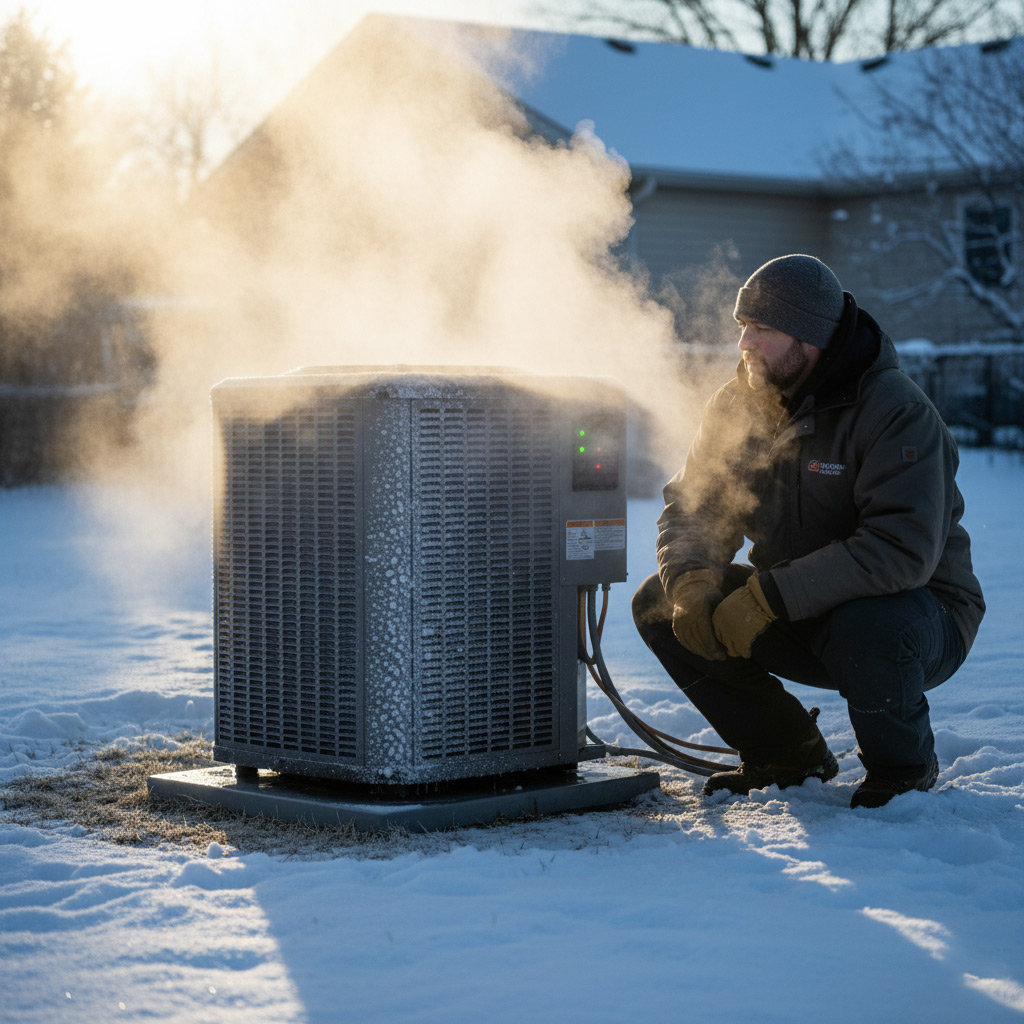
DIY Repairs That Drain Your Wallet
When the furnace sputters, the first instinct is to grab a wrench and “save” a few bucks. In reality, a half‑finished fix often turns a simple hiccup into a costly cascade. One wrong turn can fry a control board, force a premature replacement, and leave you scrambling for a qualified tech.
Common DIY Pitfalls
- Skipping the safety shut‑off – you risk electric shock or a gas leak that could shut down the entire system.
- Using the wrong gauge wire – it overheats, melts insulation, and creates a fire hazard.
- Over‑tightening bolts on the heat exchanger – you crack it, and a cracked exchanger means a full furnace swap.
- Applying generic “universal” parts – they don’t match the manufacturer’s specs, leading to premature wear.
The cheap fix feels good until the next bill arrives with a line‑item for “emergency furnace replacement.” Instead of guessing, call a licensed Tacoma HVAC pro who can diagnose the issue, source the exact part, and get the system humming again without the hidden price tag.
Skipping Routine Maintenance and Its Long‑Term Costs
Think of your furnace like a car engine—if you never change the oil, it’ll seize up. In Tacoma’s damp climate, dust, rust, and mold love to settle on heat exchangers, and a quick glance won’t catch the slow‑kill. Skipping that yearly check‑up means you’re paying later with bigger repair bills and uncomfortable nights.
What a basic tune‑up covers
- Inspecting and cleaning the blower motor and fan blades.
- Checking the heat exchanger for cracks or corrosion.
- Testing safety controls and carbon monoxide detectors.
- Lubricating moving parts and tightening loose connections.
When you ignore these steps, the furnace works harder, burns more fuel, and wears out faster. That extra strain shows up on your utility statement—often a 10‑15% jump you could have avoided with a 30‑minute service.
Local factors matter, too. Tacoma’s rain brings moisture that can rust copper lines and corrode metal components. A neglected filter becomes a breeding ground for mold, which then spreads into your ducts. The result? Poor air quality, higher allergy symptoms, and a system that quits when you need it most.
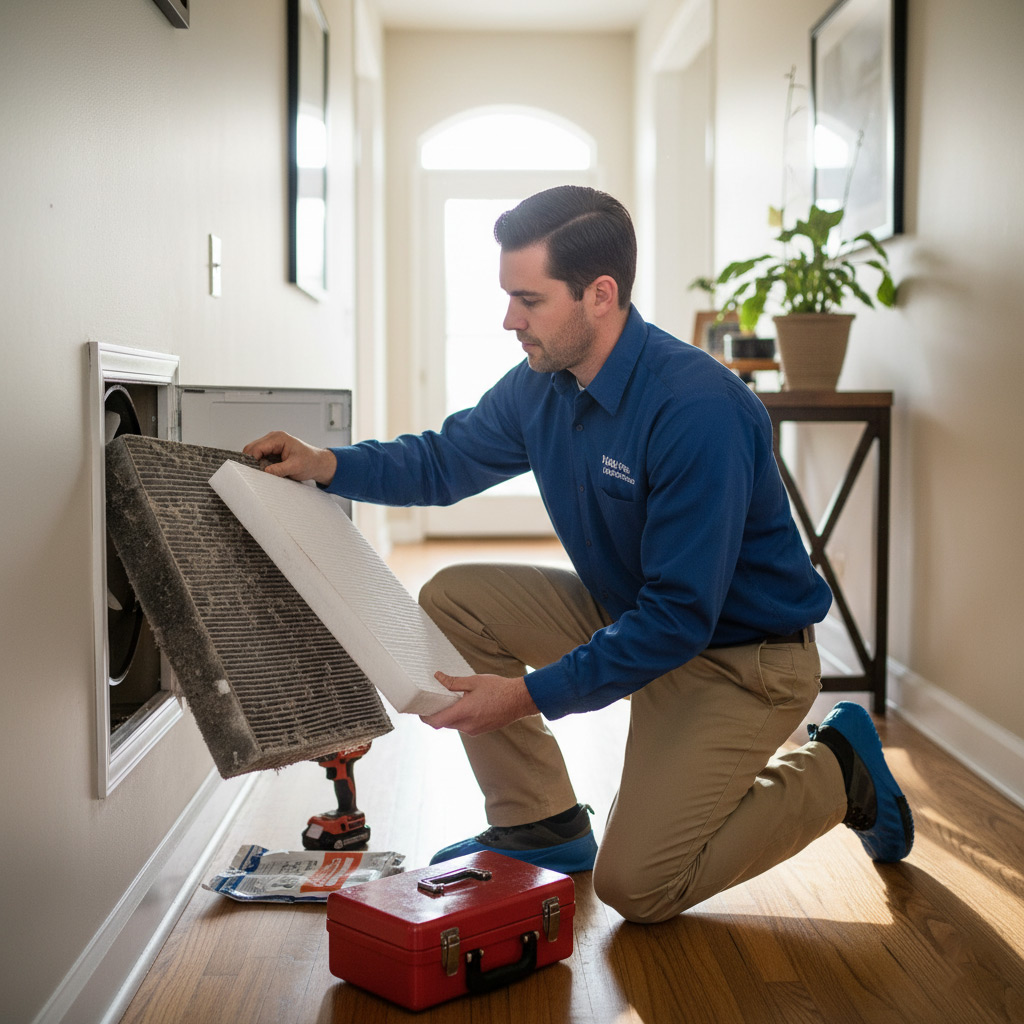
Using Incompatible or Low‑Quality Replacement Parts
When you swap out a furnace component with a bargain‑bin piece, you’re not just cutting corners—you’re inviting trouble. Cheap parts often lack the tolerances that a Tacoma‑spec heating system demands, and the result is premature wear, reduced output, and a repair bill that keeps climbing.
What Happens When Parts Don't Match
- Premature failure: A mismatched motor can overheat within weeks, forcing another service call.
- Reduced efficiency: Low‑grade heat exchangers lose heat faster, making your furnace work harder.
- Safety risks: Incompatible pressure switches may trigger gas leaks or carbon monoxide buildup.
How to Choose the Right Parts
- Stick to OEM (original equipment manufacturer) numbers—these are the specs the system was built around.
- Ask the tech for a certified replacement list; reputable dealers will have it on hand.
- Check for UL or CSA certification; it’s a quick way to weed out subpar items.
Procrastinating Professional Service: When Small Issues Become Major Breakdowns
Why Waiting Costs More
Putting off a call to a certified tech is a gamble you don’t want to take. A tiny leak in the heat exchanger can turn into a cracked furnace in weeks, and the repair bill will balloon.
When you delay, you also risk:
- Higher labor rates as emergency calls command premium fees.
- Wasted energy because the system runs inefficiently.
- Potential safety hazards like carbon monoxide leaks.
Red Flags You Shouldn't Ignore
Not every odd sound means a full replacement, but some clues scream “call a pro.”
- Strange noises – rattling, squealing, or thumping.
- Uneven heating – one room stays cold while others are toasty.
- Frequent cycling – the furnace turns on and off more than usual.
If you notice any of these, pick up the phone now. A quick diagnosis can save you days of cold and a thousand‑plus dollars.
The Tacoma Advantage: Call Before It Freezes
Our Pacific Northwest weather doesn’t wait for you to schedule a service. A minor sensor glitch in December can freeze the whole system, leaving you shivering.
Getting a professional in early gives you:
- Peace of mind that the furnace will survive the rain‑soaked chill.
- A warranty‑protected repair that lasts years.
- Lower utility bills because the unit runs at peak performance.
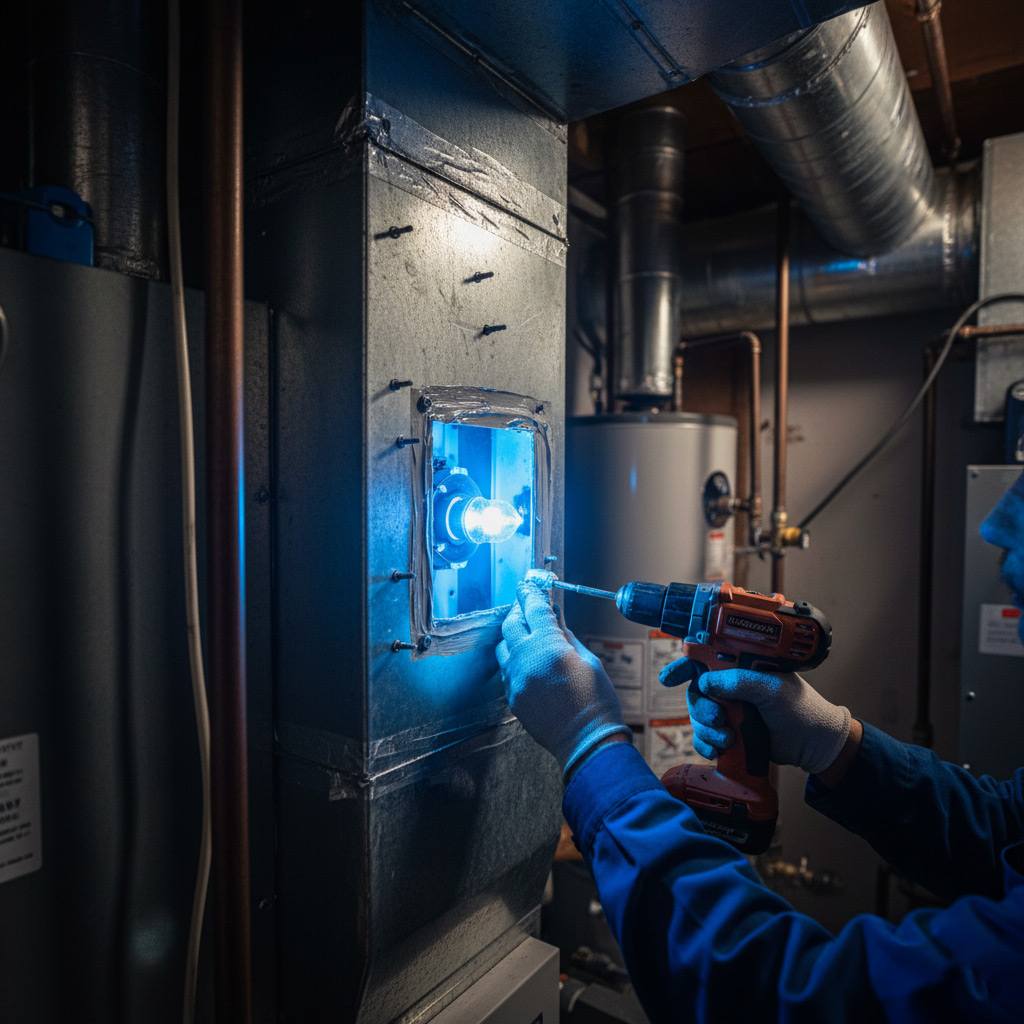
Ignoring Energy Efficiency Settings and Seasonal Tune‑Ups
Energy‑Saving Settings You’re Probably Overlooking
Most Tacoma homes run the furnace on “auto” all day, even when no one’s home. Switching to “eco” or “vacation” mode can shave 10‑15% off your bill.
Don’t forget the fan. Leaving the blower on continuously forces the motor to work harder than it needs to.
- Set the thermostat 2° lower at night.
- Use programmable schedules instead of manual tweaks.
- Check the filter monthly – a clogged filter forces the system to overwork.
Seasonal Tune‑Ups: The Low‑Cost Insurance Policy
A professional tune‑up in early fall catches wear before the cold hits. Technicians clean the heat exchanger, test safety controls, and calibrate the gas pressure.
Skipping this step means the furnace runs longer, burns more fuel, and ages faster.
- Inspect and tighten electrical connections.
- Lubricate moving parts to reduce friction.
- Verify proper venting to avoid carbon monoxide risks.
Quick Wins for Tacoma Winters
Seal any drafts around doors and windows; a simple weather‑strip can save enough to cover a filter change.
Turn off unused zones in a multi‑zone system – less area to heat means less strain.
- Upgrade to a smart thermostat for remote control.
- Schedule a 30‑minute check‑up before the first freeze.
- Keep the outdoor unit clear of leaves and snow.
Case Study: How a Tacoma Homeowner Saved Over $2,000 by Avoiding a Common Repair Mistake
The Problem
Mike, a longtime Tacoma resident, noticed his furnace making a rattling noise after a rainy night. He grabbed a cheap replacement belt from a big‑box store and installed it himself, thinking he’d cut the bill in half.
Within a week the furnace shut down completely. The cheap belt had slipped on the motor shaft, causing the motor to overheat and burn out. The result? A brand‑new motor and a $2,300 repair invoice.
The Fix
Mike called a local HVAC pro the next day. The technician inspected the system, identified the mis‑matched belt, and explained why OEM parts matter. He replaced the belt with the correct, manufacturer‑approved model and performed a quick system check.
Because the motor hadn’t been damaged beyond repair, the tech only needed to replace the belt and clean the blower. The total cost was $280, a fraction of what Mike was staring at before.
The Savings Breakdown
- Original DIY cost: $45 for a low‑quality belt.
- Potential damage: $2,300 for a new motor.
- Professional repair: $280 for the correct belt and labor.
- Total saved: $2,065.
Mike’s story shows that a tiny shortcut can cost you a small fortune. The lesson? Trust the experts and use the right parts the first time. Your wallet will thank you when winter rolls in.
Final Words
When the temperature drops, the last thing you want is a surprise shutdown. Stay ahead of the curve by treating your furnace like a car—regular check‑ups, quality parts, and a pro on speed dial.
Three quick habits to lock in savings
- Mark your calendar for a bi‑annual service visit. It’s cheaper than a panic call.
- Keep a small stock of OEM filters and seals. No need to hunt for a part mid‑winter.
- Set your thermostat to the manufacturer’s recommended settings. It prevents over‑working the system.
Ready to put these habits into action? Our Tacoma team specializes in Heating System Repair and can walk you through a maintenance plan that fits your budget.
People Also Ask
What are the most common DIY heating repairs that end up costing more?
Many homeowners attempt to replace thermostat wires or clean furnace filters without proper knowledge, which can damage wiring or void warranties. Incorrect fixes often lead to larger system failures that require professional repair, increasing overall costs.How does skipping routine furnace maintenance affect my heating bills?
Neglecting annual tune‑ups allows dust, debris, and worn parts to reduce efficiency, forcing the system to work harder. This inefficiency can raise energy bills by 10‑15% and shorten the furnace’s lifespan.Why should I avoid using low‑quality replacement parts for my HVAC system?
Incompatible or cheap parts may not meet the manufacturer’s specifications, causing premature wear or system malfunctions. Using approved, high‑quality components ensures optimal performance and protects warranty coverage.When should I call a professional instead of waiting on a minor heating issue?
If you notice strange noises, uneven heating, or error codes, it’s best to schedule a service within 48 hours. Delaying can turn a simple fix—like a clogged burner—into a costly breakdown requiring major repairs.What energy‑efficiency settings should I adjust before winter in Tacoma?
Set your thermostat to a consistent temperature (around 68°F when home) and enable the “economy” or “auto” mode if available. Pair this with a professional seasonal tune‑up to ensure the system runs at peak efficiency throughout the cold months.
Tacoma HVAC brings decades of certified expertise to homes and businesses throughout Tacoma, WA. Their team combines thorough industry training with a deep understanding of the region’s climate challenges. Committed to reliable service, they prioritize local customers’ comfort and energy efficiency.
Need HVAC?
Accelerating results for businesses and residents in Tacoma and surrounding ZIPs (98402, 98404, 98421, 98444, 98499) with rapid, measurable solutions. Our streamlined process cuts wait times and delivers clear performance improvements.
Request a quick quote