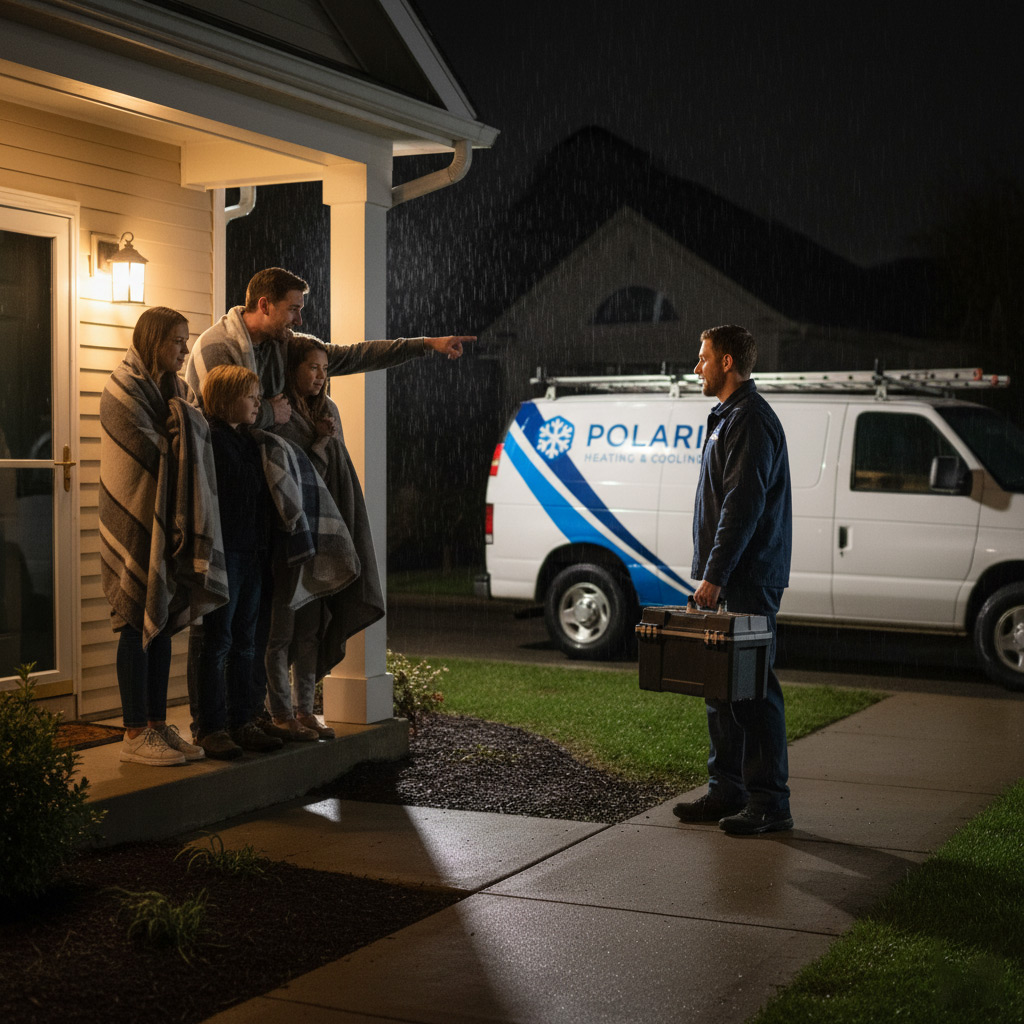
If your heat pump stopped humming and started coughing like a smoker on a cold night, you’re probably wondering whether you’re staring at a $2,000 bill or a quick DIY tweak.
In Tacoma, the rain and salty air love to mess with outdoor units, but most homeowners jump to the worst‑case scenario without checking the obvious culprits first. You’ll learn why a clogged filter, a tripped breaker, or a frozen coil can masquerade as a major failure.
Stick around, and we’ll separate the myths from the facts so you can decide if you really need to call a pro or just roll up your sleeves.
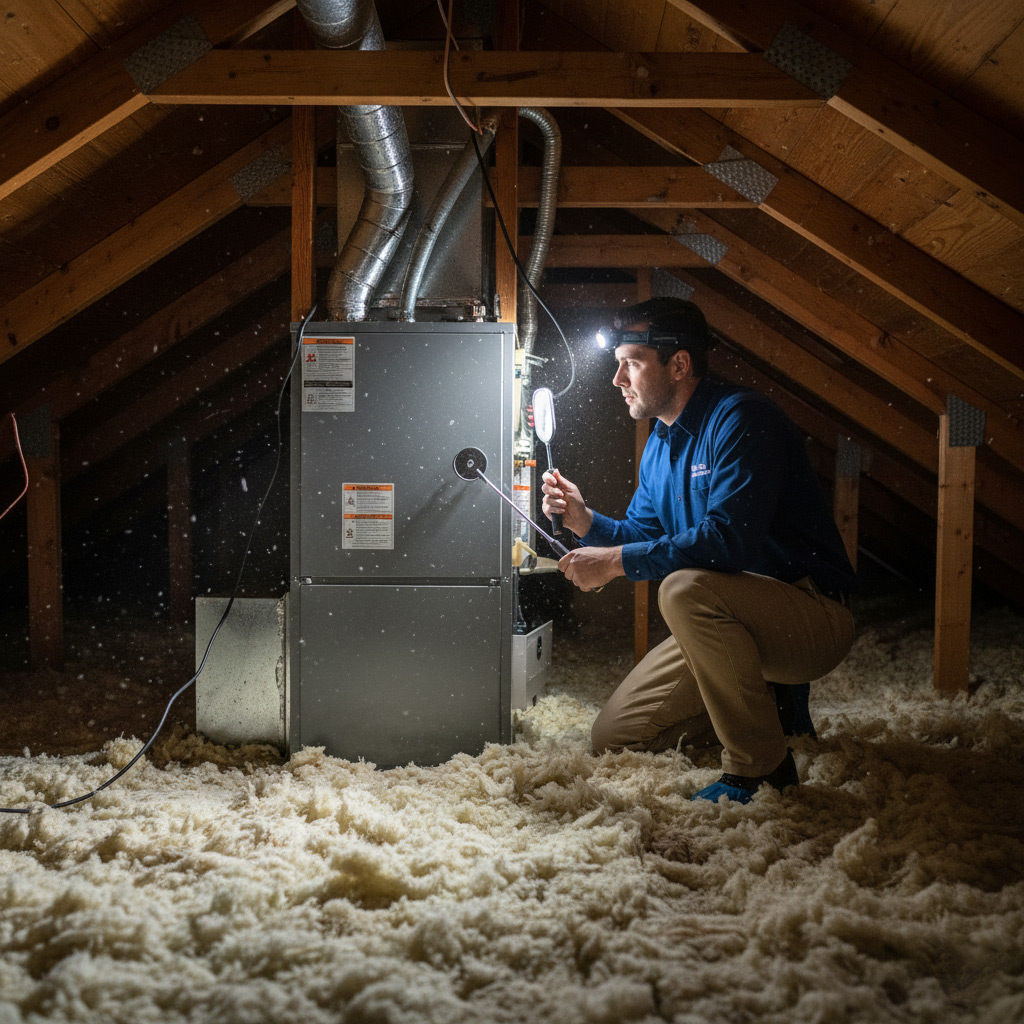
Common Warning Signs That Mimic Major Failures
When your heat pump starts sputtering, the first thought is “the whole system is toast.” In reality, many of those red flags are just surface‑level annoyances that can be cleared without a pricey service call. Spotting the difference saves you time, stress, and cash.
Typical “false alarms” you’ll hear about
- Strange noises – rattles or whines often mean a loose panel or a fan blade that’s out of balance, not a blown motor.
- Weak airflow – a clogged filter or blocked vent can make the unit feel like it’s dying, yet the compressor is still healthy.
- Intermittent cycling – a thermostat that’s misreading temperature will cause the pump to start and stop, mimicking a failing control board.
These clues are easy to verify before you pick up the phone. A quick visual check and a few minutes of troubleshooting can separate a simple fix from a genuine emergency. If the symptoms line up with the list above, you probably don’t need a $2,000 repair bill just yet.
Quick DIY Checks: Filter, Breaker, and Coil Inspection
Check the Air Filter
First thing’s first—pull the front panel and yank out the filter. If it looks like a dust bunny’s nest, it’s time for a swap.
Why it matters: A clogged filter starves the heat pump of airflow, making the motor work harder and prompting the unit to shut down.
- Turn off the system.
- Remove the filter.
- Replace with a new one or give the old one a gentle vacuum.
Inspect the Circuit Breaker
Next, head to your breaker box. A tripped breaker looks like a tiny lever that’s flipped to the “off” position.
Quick fix: Flip it back to “on.” If it trips again, you’ve got a deeper electrical issue and should call a pro.
- Locate the heat pump’s dedicated breaker.
- Reset it by pushing firmly to the “off” spot, then back to “on.”
- Listen for the unit to kick back to life.
Look at the Outdoor Coil
Finally, give the outdoor coil a once‑over. Rain and salty air love to coat it with grime, which can freeze the coil.
Grab a garden hose, aim low pressure, and spray from the top down. Don’t use a pressure washer—you’ll damage the fins.
- Turn the system off.
- Rinse the coil gently.
- Check for ice buildup; if it’s still frozen, let it thaw before restarting.
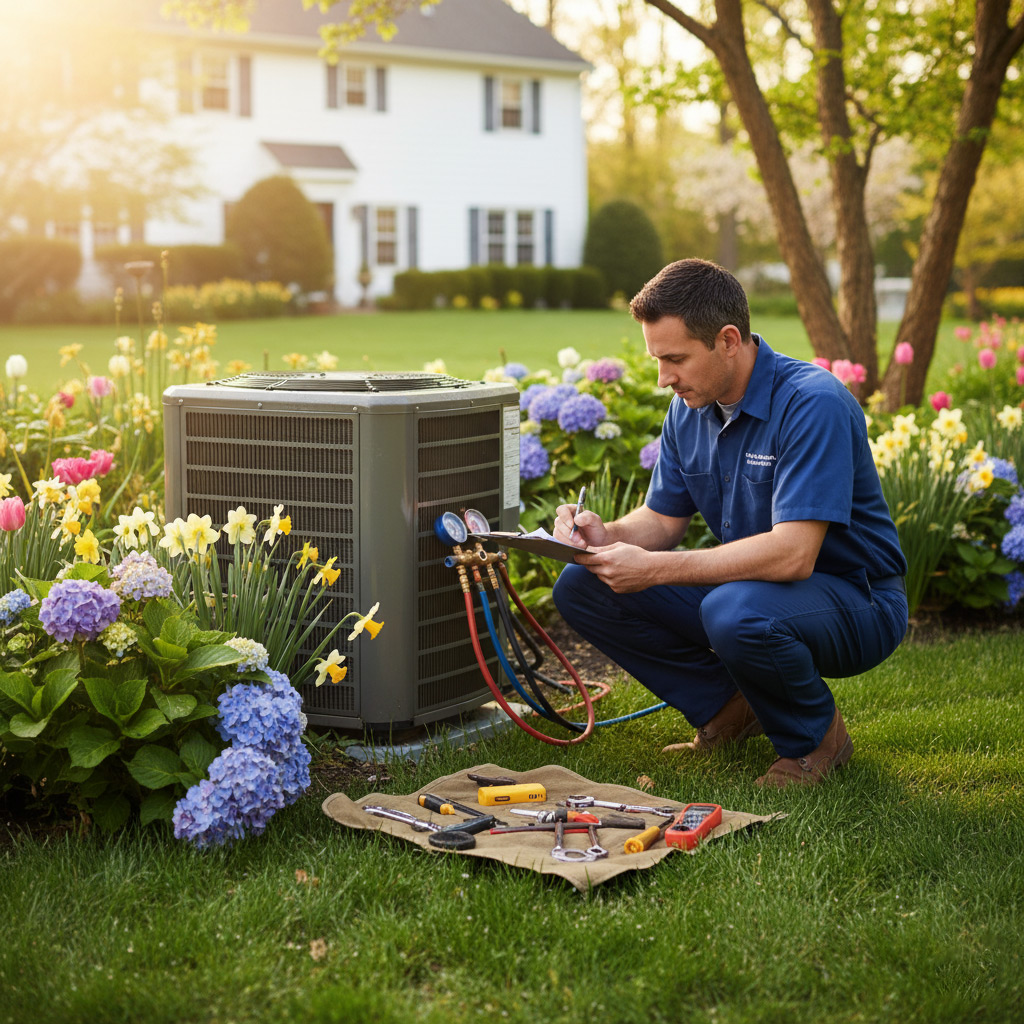
How Tacoma’s Rainy, Salty Climate Impacts Outdoor Units
Moisture infiltration
Every drizzle adds a thin layer of water to the condenser coil, and if the drainage isn’t spot‑on, that water hangs around longer than it should. Standing water becomes a breeding ground for mold and can short out the control board.
What you’ll notice:
- Rust spots on the metal housing
- Flickering thermostat display
- Unusual humming that turns into a click
Corrosion and salt spray
Tacoma’s proximity to the Puget Sound means salty breezes ride in with the rain, accelerating metal wear. Corrosion eats away at fan blades and refrigerant lines, making the unit work harder and raising energy bills.
Key signs include:
- Flaking paint or chalky residue on the unit’s exterior
- Reduced airflow because the fan is wobbling
- Leaking refrigerant that smells sweet and metallic
Climate‑specific upkeep
Don’t wait for a full‑blown failure. A quick visual check after a storm can save you a pricey repair.
Do this:
- Wipe the coil with a garden hose on a low setting; clear away debris.
- Apply a light coat of marine‑grade spray paint to exposed metal surfaces.
- Inspect the condensate drain line for clogs; a simple pipe‑cleaner can keep it flowing.
Red Flags That Indicate You Need a Professional Technician
When DIY Stops Being Enough
If the unit won’t start after you’ve checked the filter and breaker, it’s time to call in the pros.
Typical red flags include:
- Repeated short‑cycling – the system turns on and off every few minutes.
- Foul, oily smell coming from the outdoor coil.
- Visible water pooling around the indoor air handler.
Safety & Warranty Risks
Messing with refrigerant lines or high‑voltage components can void your warranty and put you in danger.
Watch for these warning signs:
- Burning odor near the breaker box – could be a serious electrical issue.
- Ice forming on the suction line that won’t melt after a 30‑minute defrost.
- Unusual rattling or grinding noises that suggest a motor or fan problem.
The Cost of Waiting
Delaying a repair often turns a $150 fix into a $1,200 replacement.
Key indicators that you should pick up the phone now:
- Loss of heating or cooling capacity – rooms feel like a freezer or a sauna.
- Control board flashing error codes you can’t decode.
- Any sign of corrosion on the outdoor unit’s copper tubing, especially in Tacoma’s salty air.
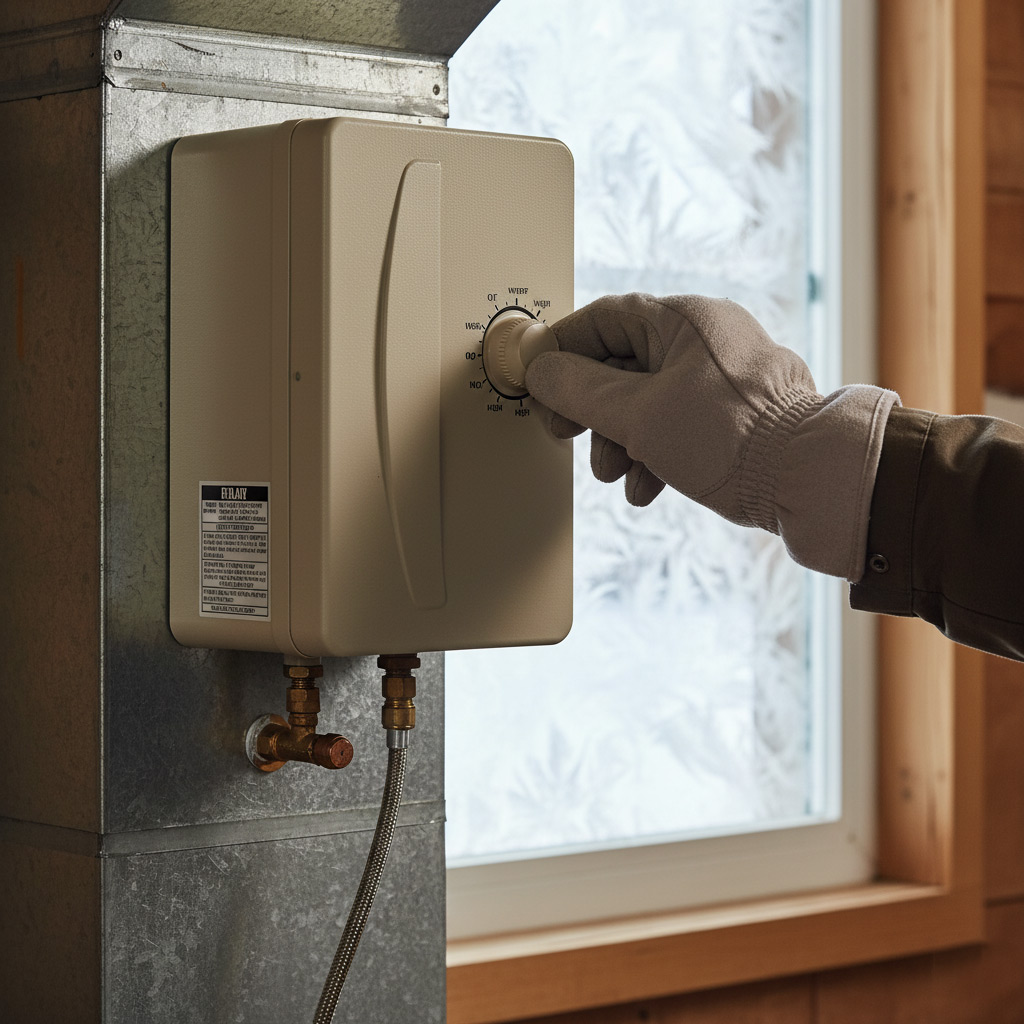
What to Expect During a Professional Heat Pump Repair Service
Arrival and Diagnosis
When the tech pulls up, you’ll see a uniform shirt, a name badge, and a toolbox that looks like it’s been to war. First thing they do is run a quick visual sweep—checking the outdoor coil, the indoor air handler, and the electrical panel.
Next, they hook up a digital meter and a pressure gauge. Within minutes they can tell if the refrigerant charge is low, if a sensor is lying, or if a capacitor has given up the ghost.
The Repair Process
Once the problem is nailed down, the technician explains the fix in plain English. No jargon, just “We’ll replace the capacitor and clean the coil, then run a test.”
Typical steps include:
- Replacing worn parts such as capacitors, relays, or fan motors.
- Cleaning the outdoor coil to restore airflow.
- Recharging refrigerant if a leak was found.
- Running the system through a full cycle to verify performance.
They’ll also take a photo of the meter readings before and after the repair—so you have proof of the work.
After‑Care Checklist
When the job is done, the tech walks you through a quick checklist: filter change schedule, breaker reset, and a reminder to keep the unit clear of leaves and salt spray.
They’ll leave a written report, warranty details for any new parts, and a phone number for follow‑up. If anything feels off in the next few days, you know exactly who to call.
Case Study: Rapid Resolution of a Frozen Coil Issue in a Tacoma Home
The Situation
When the Johnson family called, their heat pump was blowing icy air and the indoor fan was dead silent. They’d just turned the thermostat to “heat” and got a thin layer of frost on the outdoor coil within minutes. The culprit? A frozen coil that mimicked a total system failure.
The Fix
Our tech arrived, ran a quick visual check, and then executed a three‑step rescue plan:
- Power reset: Tripped the breaker, waited 5 minutes, and restored power to clear any electronic hiccup.
- Defrost cycle activation: Engaged the built‑in defrost mode, letting the unit melt the ice while the compressor ran low.
- Airflow restoration: Replaced a clogged filter and cleared debris from the outdoor fan, ensuring proper circulation.
Within 30 minutes the coil was clear, the fan spun up, and warm air began flowing again. The Johnsons avoided a $2,000 repair bill and learned that a frozen coil is often a quick fix, not a catastrophic breakdown. Lesson learned: regular filter changes and keeping the outdoor unit free of leaves can stop this drama before it starts.
Final Words
In Tacoma, a heat pump that’s humming today can be silent tomorrow if you ignore the little things. Regular check‑ups keep the system from turning into a costly repair nightmare, and they’re easier than you think.
Take Action Today
- Swap the filter every 30‑45 days – a clean filter = better airflow.
- Inspect the outdoor coil after a rainstorm; clear debris before it freezes.
- Test the breaker and thermostat before you dial a tech.
If anything feels off, don’t gamble. A quick call for a professional heat pump repair can save you hours of frustration and a hefty bill. Our crew knows how the salty Tacoma air attacks units, and we’re ready to jump in with the right tools. Let’s keep your home comfortable all year long.
People Also Ask
What are the most common warning signs of a failing heat pump in Tacoma?
A sudden loss of heating or cooling, unusual noises, and frequent short cycling are early indicators. You may also notice ice buildup on the outdoor coil or higher than normal energy bills.Can I troubleshoot my heat pump myself before calling a technician?
Yes, you can check the air filter, reset the circuit breaker, and inspect the outdoor coil for debris or frost. These quick DIY steps often resolve minor issues without professional help.How does Tacoma’s rainy, salty climate affect heat pump performance?
Moisture can cause corrosion on metal components and promote mold growth on coils, while salty air accelerates wear on outdoor parts. Regular cleaning and corrosion‑resistant coatings help mitigate these effects.When should I stop DIY attempts and call a professional?
If you see persistent freezing, refrigerant leaks, or electrical problems, it’s time to call a licensed technician. Attempting repairs on these issues can be unsafe and may void warranties.What should I expect during a professional heat pump repair service?
A certified technician will perform a comprehensive diagnostic, test refrigerant levels, and inspect electrical connections. They will explain the needed repairs, provide a cost estimate, and ensure the system is restored to optimal performance.
Tacoma HVAC brings decades of certified expertise to residential and commercial climate control in the Tacoma area. Their team combines local knowledge with proven service practices to keep homes and businesses comfortable year-round. Committed to reliable solutions, they prioritize responsive support for the Pacific Northwest community.
Need HVAC?
Accelerating results for businesses and residents in Tacoma and surrounding ZIPs (98402, 98404, 98421, 98444, 98499) with rapid, measurable solutions. Our streamlined process cuts wait times and delivers clear performance improvements.
Request a quick quote