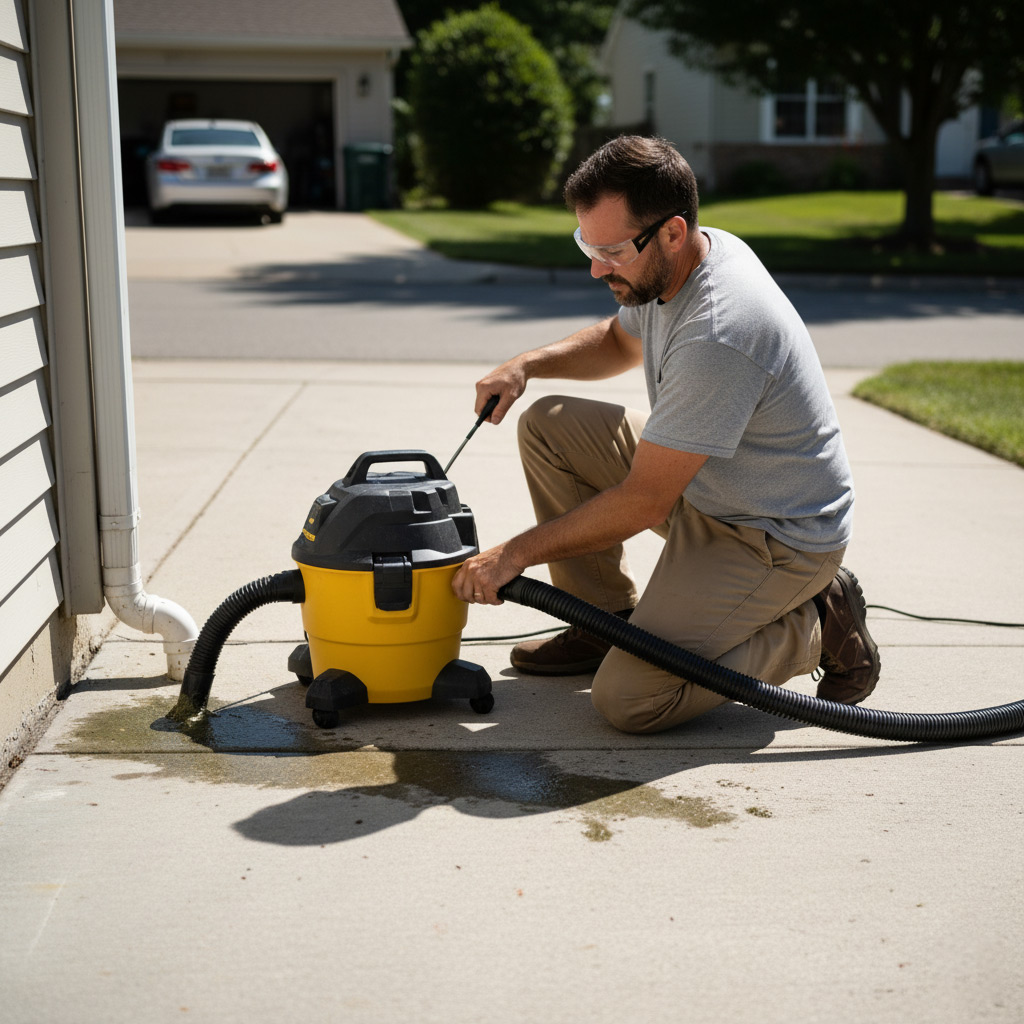
Imagine stepping out of bed on a frosty Tacoma morning and your house greets you with a warm, steady breeze instead of a shiver‑inducing draft. That feeling isn’t luck—it’s the result of a system that’s been cared for, like a well‑tuned car that never lets you down.
Skipping routine checks is a gamble that can cost you big when the furnace sputters in the middle of a rainstorm or the AC quits during a July heatwave. A little preventive work now saves you from emergency calls, sky‑high bills, and endless frustration.
That’s why we’ve boiled down every must‑do task into a single, easy‑to‑follow checklist—no jargon, just clear actions that keep your HVAC humming smoothly from the Cascades to the Puget Sound.
Ready to lock in comfort all year long? Keep reading and discover the exact steps you need to take today.
Seasonal Inspection Schedule: What to Check Each Quarter
In Tacoma, the weather flips faster than a pancake on a griddle. That’s why a quarterly glance at your HVAC keeps it from throwing a tantrum when you need it most. Think of it as a quick health check‑up that saves you from costly ER visits later.
Winter (December – February)
Cold air bites, so make sure your furnace is ready to fight back.
- Filter: Swap it out if it looks darker than a November sky.
- Thermostat calibration: Verify it reads the set temperature within a degree.
- Inspect the heat exchanger for cracks—tiny gaps can turn into big safety hazards.
Spring (March – May)
Spring is the perfect time to prep the AC before the heat rolls in.
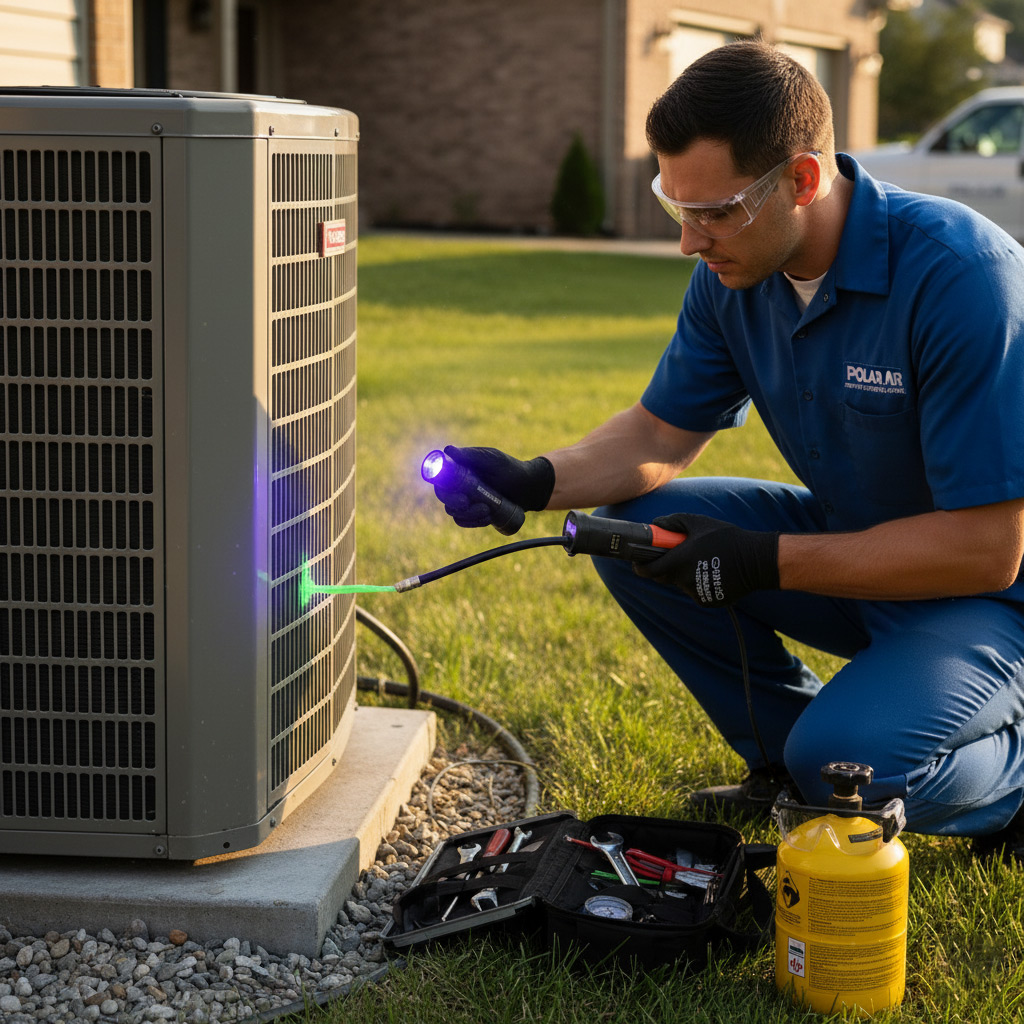
- Clean the outdoor condenser coils; dust and pollen love to settle there.
- Check the refrigerant lines for signs of wear or leaks.
- Test the blower motor for smooth operation and listen for odd noises.
Summer (June – August)
When the mercury climbs, you want your system to run like a champion.
- Verify the condensate drain isn’t clogged—water backup can cause mold.
- Inspect the fan belt for tension; a loose belt can overheat the motor.
- Run a short “full‑blast” test to see if the unit reaches the set temperature quickly.
Fall (September – November)
Fall is the bridge between hot and cold, so a balanced system is key.
- Reverse the fan direction on the furnace to circulate warm air before the chill sets in.
- Check all electrical connections for corrosion caused by the damp Pacific air.
- Schedule a professional tune‑up if you notice any lingering odors or uneven heating.
Essential DIY Maintenance Tasks for Homeowners
Filter Swap & Inspection
Dirty filters are the #1 cause of reduced airflow and higher bills. Swap them out before the season changes, and you’ll feel the difference instantly.
- Turn off the system.
- Remove the old filter.
- Check the frame for tears.
- Insert a new filter—MERV 8 is a solid choice for Tacoma homes.
Thermostat Calibration
Even a perfect furnace can act like a lazy dog if the thermostat is off. Give it a quick sanity check each spring and fall.
- Set the dial to “off” for 5 minutes.
- Turn it back on and set the desired temperature.
- Watch the system kick in—if it hesitates, the sensor may need cleaning.
Outdoor Unit Care
The condenser sits out in the rain, leaves, and occasional snow. A few minutes of clearing debris can keep it breathing easy.
- Turn off power at the breaker.
- Remove twigs, leaves, and cobwebs from the fins.
- Spray the coils with a garden hose—no pressure washer.
- Check the fan blades for bends; straighten with pliers if needed.
Professional Service Checklist: When to Call a Technician
Red Flags That Demand a Pro
If you hear rattling noises when the furnace fires up, don’t ignore it. A sudden loss of airflow or a lingering odor of gas means it’s time to pick up the phone.
Other tell‑tale signs include:
- Thermostat cycling on and off every few minutes
- Unexplained spikes in your energy bill
- Water pooling around the indoor unit
What the Technician Will Inspect
A qualified tech will dive deep, checking components most homeowners never see. They’ll verify refrigerant pressure, test safety controls, and clean the heat exchanger to prevent carbon monoxide leaks.
Key actions on their list:
- Inspect and tighten electrical connections
- Calibrate the thermostat for accurate temperature control
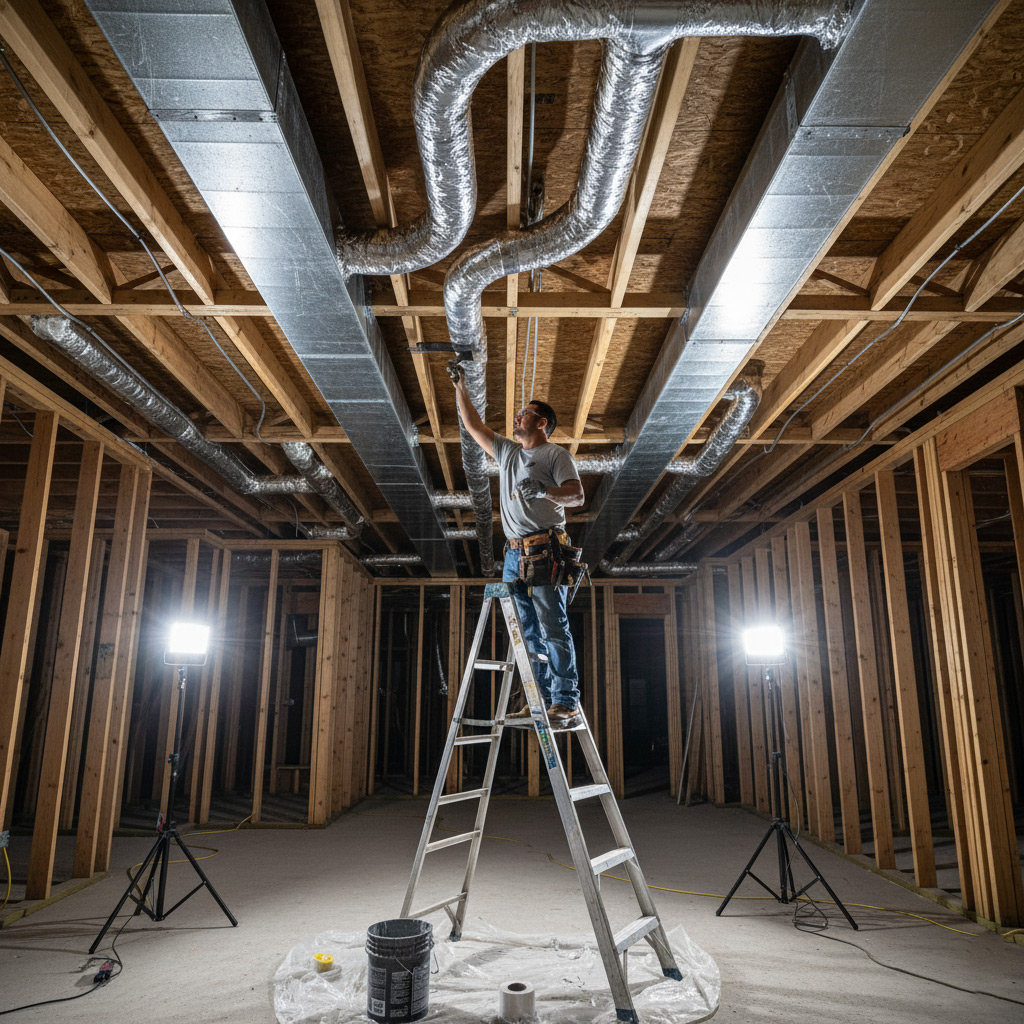
- Examine ductwork for leaks and proper insulation
Why Professional Service Pays Off
Beyond fixing the immediate problem, a pro visit can extend the life of your system by years. Think of it as a health check‑up that catches issues before they become costly breakdowns.
Benefits you’ll notice:
- Improved indoor air quality
- Lower utility costs thanks to optimized performance
- Preserved manufacturer warranty coverage
Energy Efficiency Tips to Reduce Bills Year‑Round
First thing’s first: let your thermostat do the heavy lifting. A programmable unit can cut heating or cooling by up to 15 % when you set it back a few degrees while you’re out. Don’t forget to sync it with your daily routine—wake‑up, work, and bedtime.
Smart Thermostat Settings
- Winter: 68 °F while home, 55 °F when away.
- Summer: 78 °F while home, 85 °F when away.
- Use “eco” mode on humid days to let the system run less.
Next, seal the leaks. Air that sneaks around doors, windows, and ducts forces your furnace or AC to work overtime. A quick caulk job or duct‑tape fix can shave dozens off your monthly bill.
Seal & Insulate
- Apply weatherstripping to exterior doors.
- Wrap exposed ductwork in foil insulation.
- Check attic insulation depth—aim for 12‑inches in Tacoma.
Finally, add low‑cost helpers that keep the air moving without cranking the main system. Ceiling fans set to “reverse” in winter push warm air down, while shading windows in summer cuts solar gain.
Seasonal Tricks
- Run fans at low speed for 20 minutes after the HVAC turns off.
- Close blinds or plant shade trees on south‑facing windows.
- Schedule a filter change every 30‑45 days to keep airflow clean.
Common HVAC Problems in Tacoma’s Climate and How to Prevent Them
Moisture‑Driven Corrosion
Pacific rain loves to settle on outdoor units, turning metal parts into rust magnets. Corroded coils lose heat‑transfer efficiency fast, and a rusty fan motor can seize up when you need it most.
Stop the rot before it starts:
- Inspect the condenser weekly during the wet season.
- Rinse the fins with a garden hose, then spray a light coat of anti‑rust spray.
- Trim back shrubs so air can flow freely and stay dry.
Thermostat & Sensor Glitches
Rapid temperature swings—from chilly mornings to scorching afternoons—confuse cheap thermostats. They may think the house is still cold when the sun is beating down, causing the AC to overwork.
Keep the brain of your system sharp:
- Calibrate the thermostat each spring and fall.
- Replace batteries annually; a weak cell is a silent saboteur.
- Upgrade to a smart model that learns your schedule and adjusts for humidity.
Ductwork Leaks & Airflow Loss
Old, leaky ducts are the silent energy thieves of Tacoma homes. They let warm, moist air slip out in winter and let cool air escape in summer, forcing the furnace or AC to work overtime.
Seal the gaps and feel the difference:
- Seal joints with UL‑rated foil tape, not duct tape.
- Insulate exposed ducts in the attic or crawlspace.
- Schedule a professional pressure test every two years.
Case Study: How Tacoma HVAC Restored Comfort for a Tacoma Family
When the Martinez family noticed their furnace sputtering on a damp November night, they called Tacoma HVAC with a mix of hope and frustration. We arrived within the hour, armed with the tools and know‑how to tackle Tacoma’s fickle weather head‑on.
The Diagnosis and Immediate Fixes
Our tech, Luis, ran a quick visual sweep and found three red flags: a clogged air filter, a cracked heat exchanger, and uneven duct pressure. He tackled each issue in a systematic way:
- Replace the filter – a simple swap that restores airflow.
- Seal the heat exchanger – prevents dangerous carbon monoxide leaks.
- Balance the ducts with adjustable dampers – eliminates cold spots.
All tasks were completed in under two hours, and the furnace roared back to life before the first snow hit the streets.
Results That Speak for Themselves
Within a week, the Martinez home reported a 30% drop in heating bills and a noticeable rise in indoor comfort. Luis set them up with a smart thermostat, so they could fine‑tune temperatures from their phones.
Today, the family sleeps soundly, knowing their system is running clean and that Tacoma HVAC is just a call away if anything ever goes sideways.
Final Words
When you treat your HVAC system like a trusted teammate, you dodge the nasty surprises that leave Tacoma families shivering or sweating. Stick to the checklist, set reminders, and you’ll keep the comfort dial turned up without breaking the bank.
Quick Wins to Keep on Your Radar
- Mark your calendar for the seasonal inspection dates.
- Swap out or clean filters every 30‑45 days.
- Check the thermostat batteries before the first cold snap.
- Schedule a professional tune‑up before the summer heat peaks.
Give us a call for a reliable HVAC maintenance service, and we’ll make sure your system stays in top shape all year long.
People Also Ask
How often should I schedule HVAC maintenance in Tacoma, WA?
A full professional inspection is recommended every six months—typically in spring and fall—to prepare for the heating and cooling seasons. Quarterly visual checks can catch minor issues before they become costly problems.What are the most important DIY HVAC tasks for homeowners?
Regularly replace or clean air filters, clear debris from outdoor units, and keep thermostat settings optimized. Additionally, inspect ductwork for leaks and ensure vents are unobstructed for proper airflow.When is it necessary to call a licensed technician for HVAC service?
Call a professional if you notice reduced airflow, strange noises, persistent odors, or if the system fails to reach the set temperature after basic troubleshooting. Also, schedule a technician for refrigerant checks, electrical inspections, and annual coil cleaning.How can I improve my HVAC system’s energy efficiency year‑round?
Seal duct leaks, upgrade to a programmable thermostat, and maintain proper insulation around ducts and windows. Regular maintenance, such as coil cleaning and filter replacement, also helps the system run more efficiently.What common HVAC problems are unique to Tacoma’s climate?
Tacoma’s damp, coastal environment can cause corrosion in outdoor units and promote mold growth in ducts. Frequent temperature swings also stress compressors, making regular lubrication and coil cleaning essential to prevent premature wear.
Tacoma HVAC brings over 20 years of residential and commercial climate control expertise to the Tacoma community. Their certified technicians specialize in efficient heating, cooling, and indoor air quality solutions tailored to local weather conditions. Committed to reliable service, they prioritize customer comfort and energy efficiency throughout the region.
Need HVAC?
Accelerating results for businesses and residents in Tacoma and surrounding ZIPs (98402, 98404, 98421, 98444, 98499) with rapid, measurable solutions. Our streamlined process cuts wait times and delivers clear performance improvements.
Request a quick quote